


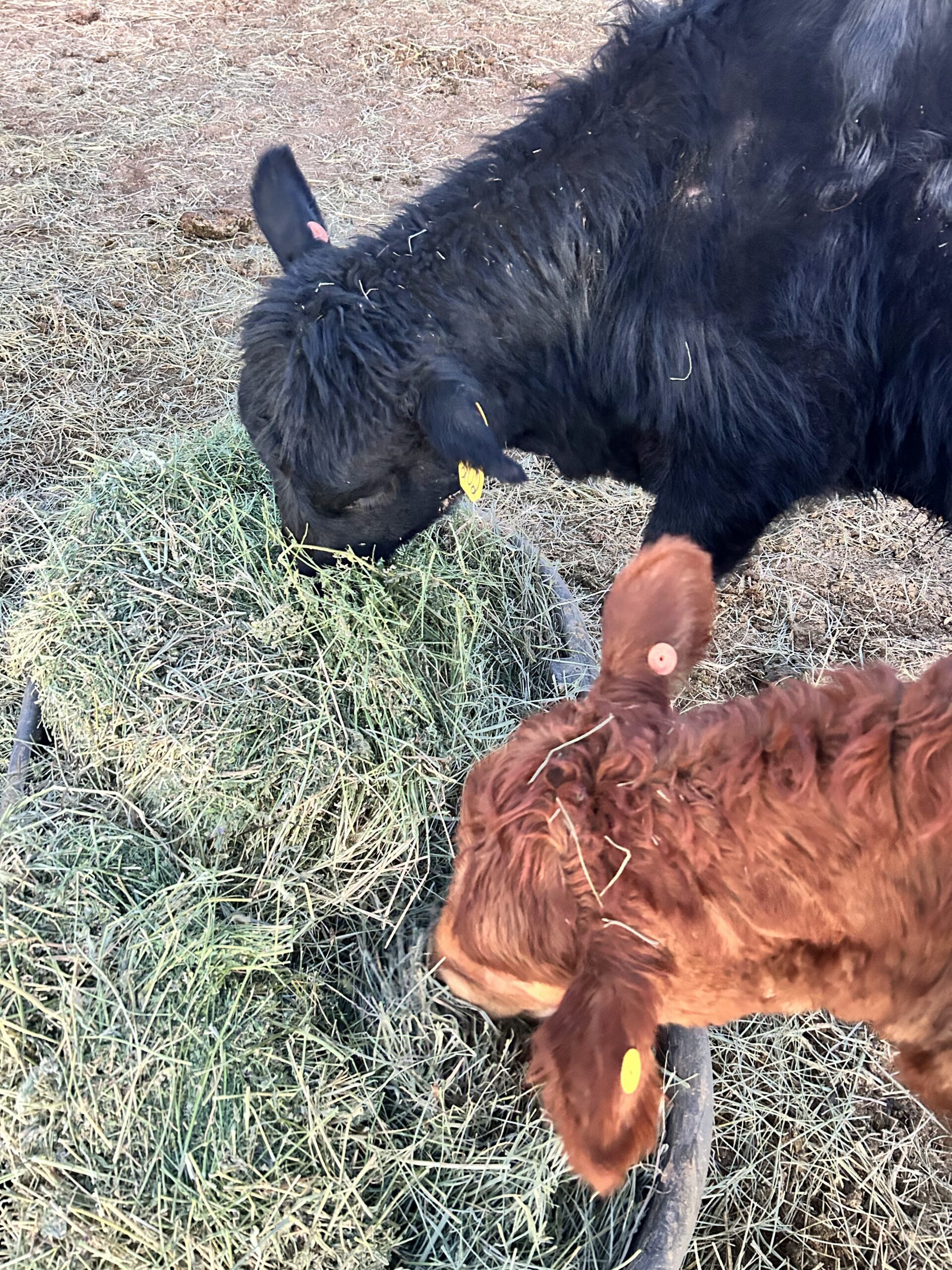
Why We Use a 90-Day Grain Finish
When people hear “grain finished,” they sometimes assume it simply means feeding cattle more grain before processing. For us, there is a lot more to it than that.
At Triple JC Ranch, our cattle stay on the ranch through the finishing stage. Grain finishing is the final stage of raising a beef animal. During this stage, the diet is gradually adjusted to provide more concentrated energy as the animal approaches its finished condition.
The feed matters, but so do the genetics, health, development, and management that came before it. A finishing program builds on an animal’s earlier development; it is not a substitute for good cattle care.
What Goes Into the Blend?
We do not simply grab a bag of corn and call it a finishing program. The cattle are gradually introduced to a formulated blend designed to provide concentrated energy along with protein, roughage, vitamins, and minerals.
As the cattle progress through the finishing period, the amount of grain is increased gradually. At the upper end of the program, cattle may consume up to approximately 3% of their body weight per day in grain. The purpose is to support continued growth, muscle development, and, when genetics and management allow, the development of intramuscular fat, or marbling.
The important part is that the ration is formulated with a purpose. Grain finishing is one part of the larger process, and it works together with the quality of the cattle and the management behind them.
A LITTLE MORE OF THE SCIENCE
For readers who want the technical detail: the 40-20 supplement used in the finishing program carries a 40% crude-protein guarantee, with part of that protein equivalent coming from non-protein nitrogen such as urea, which rumen microbes can use. That percentage describes the supplement itself — not the cattle’s total diet.
Why 90 Days?
There is not a magic number that makes every animal ready on exactly the same day. Cattle are individuals.
For Triple JC Ranch, approximately 90 days gives us a meaningful finishing window in which the diet can be adjusted gradually, the cattle can continue developing, and we can evaluate condition and finish.
We are watching the cattle throughout that process — not simply marking a date on the calendar. The animal still has to be ready. That approach matters to us.
Marbling Matters
One of the reasons for a dedicated finishing period is marbling. Marbling is the intramuscular fat within the beef, and it can contribute to the eating experience by influencing flavor, juiciness, tenderness, and overall richness.
You cannot take an unfinished animal, put it on grain for a few days, and expect the same result. Developing a finished animal takes time. That is why we give our cattle a dedicated finishing period rather than treating the final stage as an afterthought.
Consistency Matters Too
If you are buying beef directly from a ranch — especially in larger quantities — you want some idea of what you are going to get.
That does not mean every animal or every steak will be identical. They will not. But a consistent approach to cattle selection, care, nutrition, finishing, and processing helps us work toward a more consistent final product.
For Triple JC Ranch, the grain finish is one part of that bigger process. It starts much earlier with the cattle themselves.
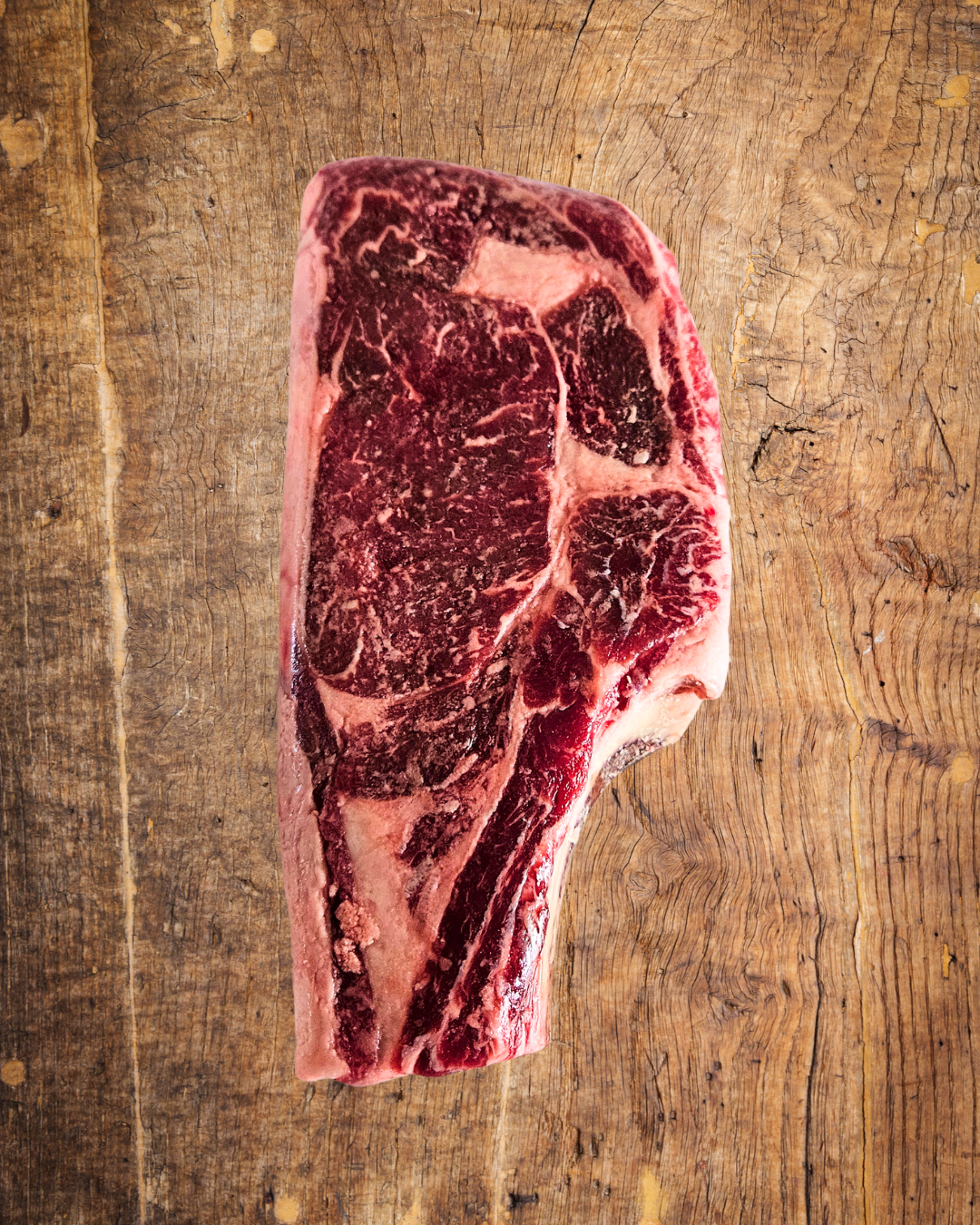
Good Beef Does Not Start in the Final 90 Days
We talk about our approximately 90-day grain finish because it is important, but it is not the whole story. You cannot make up for poor genetics or poor animal management in the last few months.
We start with Angus-Simmental cattle and make breeding and selection decisions with traits such as health, growth, performance, structure, and beef characteristics in mind. Then comes the daily work:
- Feeding
- Watching cattle
- Managing health
- Evaluating condition
- Making decisions about individual animals
The finishing period builds on everything that came before it. Good beef starts with good cattle and the work that goes into raising them.
What Happens After the Grain Finish?
When an animal is ready, it leaves the ranch for processing at a USDA-inspected facility. Our beef is then dry-aged for a minimum of 14 days before final cutting and packaging.
For eligible larger orders, cut and packaging selections depend on the available processing options. That is where customers can begin making choices about how they want their beef prepared for the freezer.
Interested in Upcoming Beef?
Triple JC Ranch offers Colorado-raised beef by the side, custom-cut options, and additional beef offerings as inventory becomes available. Because availability follows cattle readiness and processing schedules, quantities can change throughout the year.
If you are interested in an upcoming order, get in touch and we can talk through current availability and what to expect.
Frequently Asked Questions
What does grain finished mean?
It refers to the final stage of raising a beef animal, when the diet is gradually adjusted to provide more concentrated energy. At Triple JC Ranch, that finishing period is approximately 90 days.
Why does grain finishing matter?
A well-managed finishing period supports continued development and can contribute to body condition, marbling, flavor, tenderness, and consistency in the finished beef.
Does every animal finish in exactly 90 days?
No. Ninety days is an approximate finishing window. Cattle are evaluated individually, and the animal still has to be ready before moving to processing.
What happens after the finishing period?
The animal leaves the ranch for processing at a USDA-inspected facility. The beef is then dry-aged for a minimum of 14 days before final cutting and packaging.
Have a question about finishing or an upcoming order?
Ask us about the cattle, the process, or current availability. We are happy to explain how it works.